
Personal Injury

Washington Slip and Fall Lawyer for Premises Liability Claims

Schedule a Free Consultation

Not Sure Whether Your Fall Is Someone Else's Responsibility?

Slip and fall injuries can feel embarrassing and isolating, which sometimes leads people to dismiss them as their own fault. But when a fall happens because a property owner failed to maintain safe conditions, the injury and its consequences are real and recoverable under Washington law. Medical bills, missed work, and lasting physical impact are all part of what a premises liability claim can address. Moran Kelley PLLC helps individuals across King County and the Seattle area understand whether a claim applies to their situation and how to move it forward with clear, experienced guidance.


If an unsafe property condition resulted in the loss of a life, a wrongful death claim may be the appropriate path. Understanding the distinction early helps families take the right next step.

Talk Through Your Situation

Where Slip and Fall Injuries Commonly Occur


Black building icon with white windows and clouds at the base

Apartment Buildings and Rental Properties

Landlords are responsible for maintaining safe common areas, stairwells, and walkways. Broken handrails, poor lighting, and unrepaired flooring are common sources of preventable injury in residential settings.

Black office chair behind a desk, shown as a simple icon

Workplaces and Commercial Buildings

Wet floors, exposed cabling, and cluttered walkways in professional environments can create liability that extends beyond a standard workers' compensation context. Some cases involve multiple responsible parties.

Black storefront icon with awning and door

Retail and Commercial Properties

Grocery stores, shopping centers, and restaurants are among the most common locations for slip and fall accidents in Washington. Wet floors without signage, product spills, and uneven entry surfaces frequently lead to serious injuries.

Black parking sign with a white car icon and the letter P

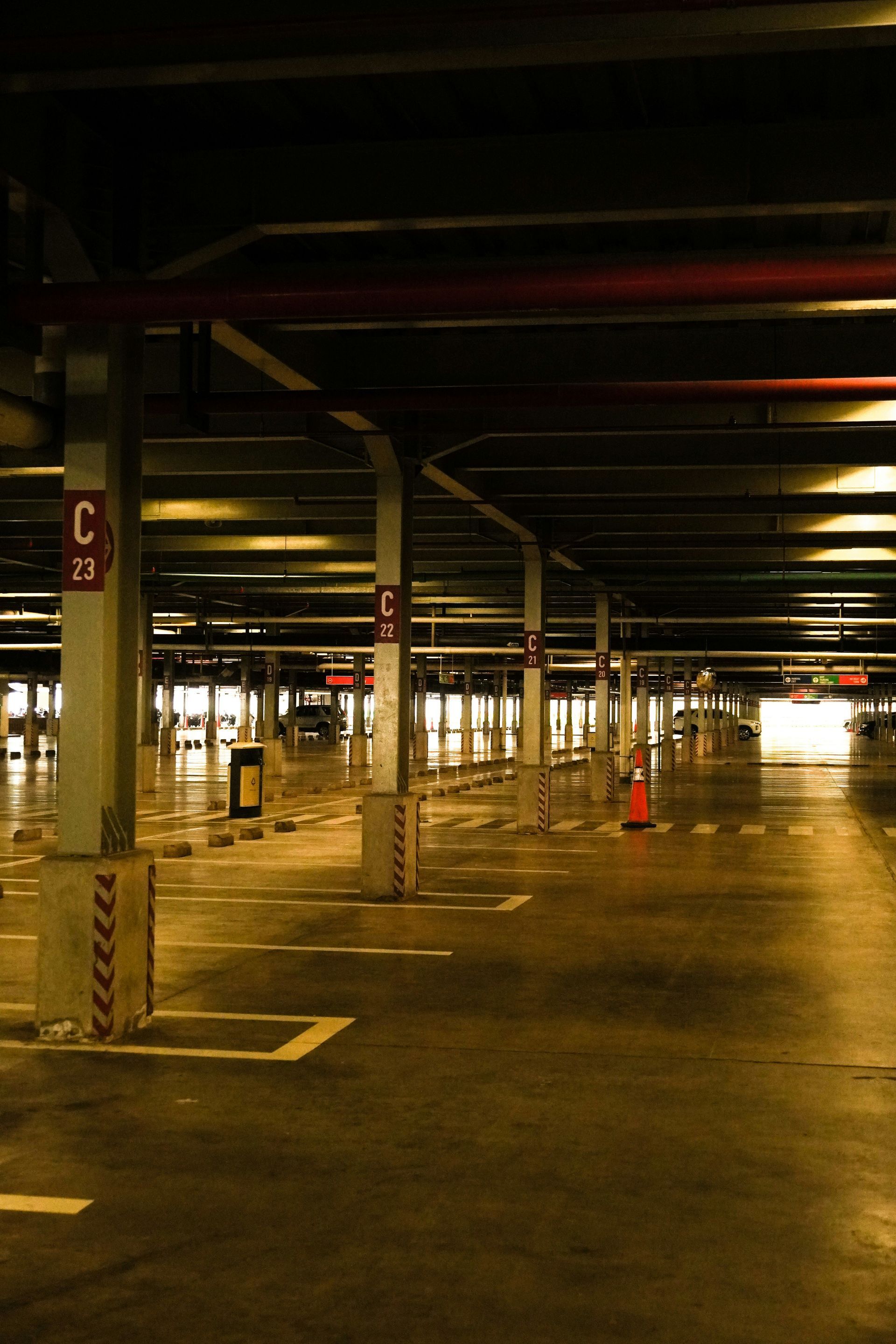
Parking Lots and Outdoor Areas

Improperly maintained pavement, unmarked curb transitions, and uncleared ice and snow create significant fall hazards in areas where property owners have a clear duty to act. Washington's wet seasons make these conditions a recurring issue across the region.

Black icon of a domed government building with a flag on top and a central archway

Public and Government-Managed Properties

Government properties carry specific procedural requirements and shorter filing windows in Washington. If your fall occurred on public property, acting quickly to preserve your rights is especially important.

A single red rose is sitting on top of a gravestone.
A woman is walking down a street in front of a row of houses

Where Slip and Fall Claims Can Go Wrong


  • Not reporting the incident. Failing to document the hazard with the property owner or manager at the time of the fall makes it harder to establish what happened and when.
  • Delaying medical treatment. Gaps between the fall and medical care allow insurers to argue the injury wasn't serious or wasn't caused by the incident.
  • Comparative fault arguments. Washington follows comparative negligence rules, meaning the property owner's insurer may argue you were partially responsible. Early documentation of the hazard helps address this directly.
  • Missing the filing deadline. Washington generally allows three years from the date of injury to file a premises liability claim. Claims involving government-owned property may have shorter windows.
  • Losing the physical evidence. Wet floors are cleaned, lighting is repaired, and conditions change quickly. Photographs, incident reports, and witness information need to be captured as early as possible.

How to Protect Your Family's Next Steps

Property owners and insurance companies may begin evaluating a claim soon after a fall occurs. Careful documentation and informed decisions early on can help protect your ability to pursue compensation.

  • Report what happened

    Notify the property owner, manager, or staff and ask for a written incident report. This creates a record that the hazard existed and that the fall was documented at the time.

  • Photograph the scene

    Before conditions change, document the specific hazard that caused your fall, including its location, appearance, and whether any warning signs were present or absent.

  • Get medical care immediately

    Seeing a doctor creates documentation that connects your injuries directly to the incident. This is one of the most important steps you can take to protect a future claim.

  • Preserve evidence and witness information

    Names and contact details for anyone who saw the fall or the condition of the property can be valuable. Don't rely on the property owner to preserve this information.

  • Get legal guidance before communicating with insurers

    Property owners and their insurance companies may contact you quickly. Getting guidance first helps ensure your statements and decisions don't limit your recovery. Additional context on how personal injury claims work in Washington is available on the personal injury page.

Ready to Have This Handled for You?

Many people come to us unsure whether their situation is worth pursuing. That uncertainty is exactly why a conversation helps. The next step is talking with someone who handles these cases regularly and can give you a clear picture of where you stand.

Start Your Case Review

What to Expect When You Work With Us

Moran Kelley PLLC manages investigation, insurer communication, and legal strategy so you're not handling it on your own. From a single Issaquah office serving clients across King County and the greater Seattle area, you'll have clear updates at every stage of the process. With more than 30 years of Washington legal practice and a 5.0 Google rating, the approach is structured, experienced, and focused on keeping you informed rather than overwhelmed. If you'd like to understand more about the experience behind the firm, you can learn more on the legal team page.

What Compensation May Be Available

Premises liability compensation in Washington is evaluated based on the nature of your injuries and the circumstances of the property owner's failure.


Economic damages may include medical expenses, rehabilitation costs, and lost income during recovery. Non-economic damages may address pain and suffering and the ongoing effect of the injury on daily life. In cases involving permanent or long-term injury, future care needs must also be factored into any claim evaluation.


Washington's comparative negligence rules mean your recovery may be affected if you were found partially responsible for the fall, but this does not prevent you from pursuing compensation entirely. Many people find it helpful to review real client experiences on the testimonials page when considering their next step.

Your Questions, Answered Clearly

  • Who is responsible for a slip and fall injury in Washington?

    Property owners and managers have a duty to maintain reasonably safe conditions for people lawfully on their property. When they know or should have known about a hazard and failed to address it, they may be held liable under Washington premises liability law.

  • What if I was partially at fault for the fall?

    Washington follows pure comparative negligence rules, meaning you can still recover compensation even if you contributed to the incident. Your recovery is reduced in proportion to your share of responsibility.

  • How long do I have to file a slip and fall claim in Washington?

    The general statute of limitations is three years from the date of injury. Claims involving government-owned property may be subject to shorter deadlines, making early action especially important.

  • Can I still file a claim if the property owner already cleaned up the hazard?

    Yes. While physical evidence may be gone, incident reports, witness statements, surveillance footage, and prior complaints about the same hazard can still support a claim. Moving quickly helps preserve what remains available.

  • How much does a slip and fall lawyer cost?

    Moran Kelley PLLC works on a contingency fee basis, meaning there are no upfront costs and fees are only collected if your case is successful.

Get Answers Before the Evidence Disappears

Individuals and families across the greater Seattle area, including Seattle, Bellevue, Tacoma, Everett, Issaquah, and Kirkland, turn to Moran Kelley PLLC when they need clear guidance after an injury on someone else's property. If your situation may also involve related claims, such as a car accident or a dog bite, understanding all available legal options can make a meaningful difference.